
Practicing Sacred Pause
Jun 15
/
Rachel Dodd
On any given morning, I can usually be found in the driver’s seat of my car. Most often, I’m transporting my teenage daughter to school. Our daily drive is filled with chatter that’s almost entirely practical. Typically, it begins with me asking about assignments and tests. Then the conversation moves on to whether my daughter remembered to pack her lunch. And whether that lunch contains anything nourishing whatsoever. We discuss the particular day’s complicated array of after-school practices, meetings, and lessons—at which point I mentally calculate just how much time I’ll spend on the road that day, along with the snacks, equipment, and weather-appropriate layers needed. Throughout this whole interaction, coffee is being sipped and makeup applied (by the non-driver, of course) while our current favorite playlist runs cheerfully in the background.
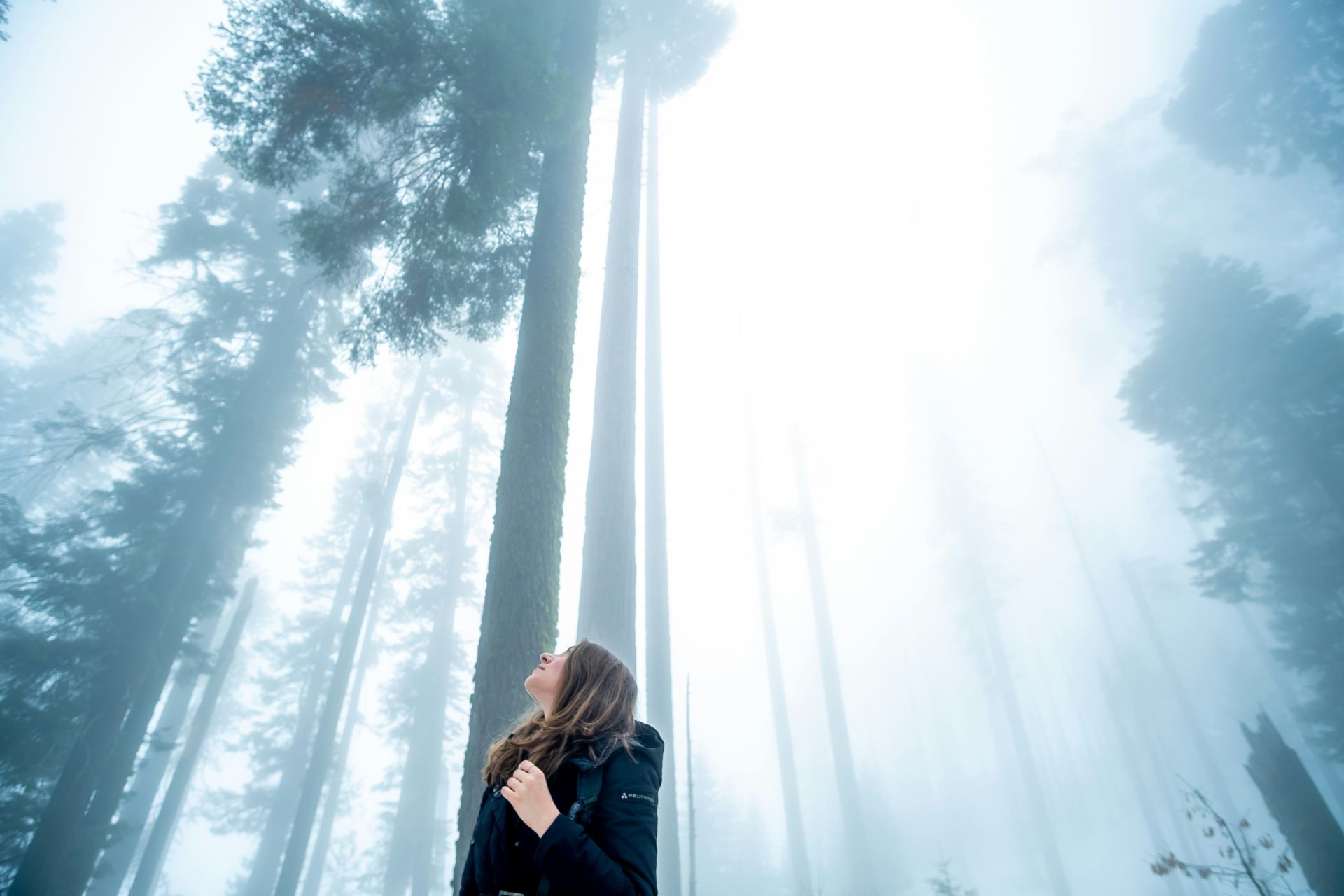
But over the years, our daily routine has subtly shifted to include an unexpected practice. It began one day when we rounded a corner and were treated to a stunning view of the mountains just beyond our city, glowing in the morning light. The scene was so striking, we both agreed to just pause and take it all in. Recent studies in psychology are exploring something spiritual formation practices have long demonstrated: awe and wonder are good for us. A 2018 study found that experiences of awe actively cultivate humility. When we encounter something vast that stops us in our tracks and momentarily challenges our settled, daily rhythms, something shifts inside us. We become, in the best possible way, a little smaller, creating more room to receive the gifts of beauty, relationship, and divine presence. These experiences add meaning to our days. The researchers found that people who often experienced awe were rated by their friends as more humble and were also more willing to acknowledge that their accomplishments weren't theirs alone. The benefits also impact mental health: further studies find that awe eases stress and depressive symptoms and increases empathy and generosity.
This brief moment with my teenager on what was otherwise a very ordinary morning has, over time, led us to embrace pause as a daily intentional practice on our morning drive. Now, it’s not uncommon for one of us to point out something beautiful outside our windows: the fog lifting off a field, the mountains’ ever-changing glow, or trees dancing in the breeze. When that happens, we both know what to do. Our conversation pauses. Our breathing deepens. And we indulgently allow awe and wonder to fill the space.
Research suggests that even just brief, regular encounters with awe produce cumulative benefits for mood, resilience, and overall well-being. In other words, we don't always need to travel hours to the nearest national park. We just need to learn to pause. Whether it’s a beautiful drive, a blooming flower, the smell of rain or freshly-mown grass, a work of art, a moving piece of music, or even time spent with someone we love, opportunities for awe and wonder can be found all around us. The key is to recognize and give them the space they deserve amid our busy days. In doing so, we open ourselves to gratitude, to wonder, and to one another.
In spiritual direction, we well know the power of an invitation to pause. We might suggest a moment of listening silence when a directee is wrestling with a question or uncertainty. But perhaps silence in spiritual direction isn't just for the tough questions and hard moments. I think it belongs just as much to moments of joy, gratitude, and celebration. When a directee names something beautiful that has happened—like an unexpected grace, an awareness of growth, or a lifted burden—we can help them avoid rushing past it. Pausing to feel the wonder and gratitude in those moments honors what has been given and creates space for deeper awareness of God’s work in our lives. The silence we cultivate in direction and the silence that falls spontaneously in my car on a foggy morning are the same gesture at heart: a willingness to be briefly undone by beauty, or gratitude, or grace, and a turning toward something larger than ourselves. What awe does naturally, spiritual practice invites us to do intentionally. And over time, the gap between the two begins to close.
My daughter and I never decided to make our morning ritual a practice. It simply happened—the car going quiet, the breath held for just a moment, the unspoken agreement that something was worth stopping for. But when my teenager recently shared with me that she’s begun noticing other opportunities in her day to pause and appreciate something beautiful, a meaningful moment, or a hard-earned sense of accomplishment, I realized she was forming a practice that will equip her as she learns to navigate life’s ups and downs on her own someday. This, too, is a gift we can offer the people we accompany.
Awe has a way of finding us. And when it does, something quietly expands: a little more humility, a little more wonder, a little more capacity to receive the life we're actually living.
As spiritual directors, we’re already practiced in the art of the pause. We know how to hold space, resist the pull toward words, and recognize that silence is not emptiness. A gentle "let's stay with that for a moment" can transform a passing observation into an unhurried savoring—and a genuine encounter with the holy.
But over the years, our daily routine has subtly shifted to include an unexpected practice. It began one day when we rounded a corner and were treated to a stunning view of the mountains just beyond our city, glowing in the morning light. The scene was so striking, we both agreed to just pause and take it all in. Recent studies in psychology are exploring something spiritual formation practices have long demonstrated: awe and wonder are good for us. A 2018 study found that experiences of awe actively cultivate humility. When we encounter something vast that stops us in our tracks and momentarily challenges our settled, daily rhythms, something shifts inside us. We become, in the best possible way, a little smaller, creating more room to receive the gifts of beauty, relationship, and divine presence. These experiences add meaning to our days. The researchers found that people who often experienced awe were rated by their friends as more humble and were also more willing to acknowledge that their accomplishments weren't theirs alone. The benefits also impact mental health: further studies find that awe eases stress and depressive symptoms and increases empathy and generosity.
This brief moment with my teenager on what was otherwise a very ordinary morning has, over time, led us to embrace pause as a daily intentional practice on our morning drive. Now, it’s not uncommon for one of us to point out something beautiful outside our windows: the fog lifting off a field, the mountains’ ever-changing glow, or trees dancing in the breeze. When that happens, we both know what to do. Our conversation pauses. Our breathing deepens. And we indulgently allow awe and wonder to fill the space.
Research suggests that even just brief, regular encounters with awe produce cumulative benefits for mood, resilience, and overall well-being. In other words, we don't always need to travel hours to the nearest national park. We just need to learn to pause. Whether it’s a beautiful drive, a blooming flower, the smell of rain or freshly-mown grass, a work of art, a moving piece of music, or even time spent with someone we love, opportunities for awe and wonder can be found all around us. The key is to recognize and give them the space they deserve amid our busy days. In doing so, we open ourselves to gratitude, to wonder, and to one another.
In spiritual direction, we well know the power of an invitation to pause. We might suggest a moment of listening silence when a directee is wrestling with a question or uncertainty. But perhaps silence in spiritual direction isn't just for the tough questions and hard moments. I think it belongs just as much to moments of joy, gratitude, and celebration. When a directee names something beautiful that has happened—like an unexpected grace, an awareness of growth, or a lifted burden—we can help them avoid rushing past it. Pausing to feel the wonder and gratitude in those moments honors what has been given and creates space for deeper awareness of God’s work in our lives. The silence we cultivate in direction and the silence that falls spontaneously in my car on a foggy morning are the same gesture at heart: a willingness to be briefly undone by beauty, or gratitude, or grace, and a turning toward something larger than ourselves. What awe does naturally, spiritual practice invites us to do intentionally. And over time, the gap between the two begins to close.
My daughter and I never decided to make our morning ritual a practice. It simply happened—the car going quiet, the breath held for just a moment, the unspoken agreement that something was worth stopping for. But when my teenager recently shared with me that she’s begun noticing other opportunities in her day to pause and appreciate something beautiful, a meaningful moment, or a hard-earned sense of accomplishment, I realized she was forming a practice that will equip her as she learns to navigate life’s ups and downs on her own someday. This, too, is a gift we can offer the people we accompany.
Awe has a way of finding us. And when it does, something quietly expands: a little more humility, a little more wonder, a little more capacity to receive the life we're actually living.
As spiritual directors, we’re already practiced in the art of the pause. We know how to hold space, resist the pull toward words, and recognize that silence is not emptiness. A gentle "let's stay with that for a moment" can transform a passing observation into an unhurried savoring—and a genuine encounter with the holy.

Rachel Dodd
Rachel began her journey of faith at a young age, and has been on the irresistible journey to know God more—and help others do the same—ever since. Having spent more than 20 years in youth and family ministry, she's now a spiritual director, a writer and editor, and a lifelong student of the Bible.
Rachel has a Doctorate in Spiritual Formation and Direction and a Master of Divinity from Fuller Theological Seminary. She and her husband, their daughters, and their playful pets live in Seattle, WA.
Through spiritual direction, Rachel loves to make prayer and spiritual practices accessible for all. No matter where you are on your faith journey or how comfortable you are with prayer, together we'll explore and celebrate God at work in your everyday expressions of faith.
Find out more about Rachel or schedule a spiritual direction session at http://fountainandpen.com/
Rachel began her journey of faith at a young age, and has been on the irresistible journey to know God more—and help others do the same—ever since. Having spent more than 20 years in youth and family ministry, she's now a spiritual director, a writer and editor, and a lifelong student of the Bible.
Rachel has a Doctorate in Spiritual Formation and Direction and a Master of Divinity from Fuller Theological Seminary. She and her husband, their daughters, and their playful pets live in Seattle, WA.
Through spiritual direction, Rachel loves to make prayer and spiritual practices accessible for all. No matter where you are on your faith journey or how comfortable you are with prayer, together we'll explore and celebrate God at work in your everyday expressions of faith.
Find out more about Rachel or schedule a spiritual direction session at http://fountainandpen.com/